A Spanish-speaking patient calls your practice. The receptionist answers in English. The patient does their best, the receptionist does their best, and the appointment gets booked for the wrong day, or the prep instructions never land, or the patient simply hangs up and calls the clinic down the road.
That scene plays out thousands of times a day across the United States and, increasingly, in Canadian cities with growing Spanish-speaking communities. It is usually treated as a customer service issue. It is actually an access, revenue, and compliance issue, and a bilingual Spanish medical receptionist is one of the highest-leverage additions a practice can make.
The Scale of the Opportunity
Spanish is the second most spoken language in the United States, and tens of millions of residents speak it at home. A meaningful share of those patients report limited English proficiency, which means the front desk phone call is the first and most fragile point of contact with your practice.
When that call goes badly, the consequences cascade:
- Appointments are booked incorrectly or not at all.
- Intake forms are incomplete because instructions were misunderstood.
- No-show rates climb because reminders were not understood.
- Patients who would have become long-term members of your panel go elsewhere.
- Online reviews mention "nobody there speaks Spanish."
Practices in pediatrics, primary care, urgent care, and dental see this most acutely, but every specialty with a Spanish-speaking catchment feels it.
Why "We Have Someone Who Speaks a Little Spanish" Does Not Work
Many practices rely on one bilingual staff member who is pulled away from their job whenever a Spanish-speaking patient calls. It is a stopgap with real limits.
- That person is not always available, so coverage is inconsistent.
- Conversational Spanish is not the same as medical Spanish. Explaining fasting instructions, insurance terms, or triage questions requires vocabulary and confidence.
- Ad-hoc interpretation is rarely documented, which creates compliance gaps.
- The bilingual staffer's own work backs up every time they are interrupted.
Phone interpretation lines solve availability but add cost per minute, slow every call down, and put a third party between the patient and your practice.
What a Bilingual Spanish Medical Receptionist Actually Does
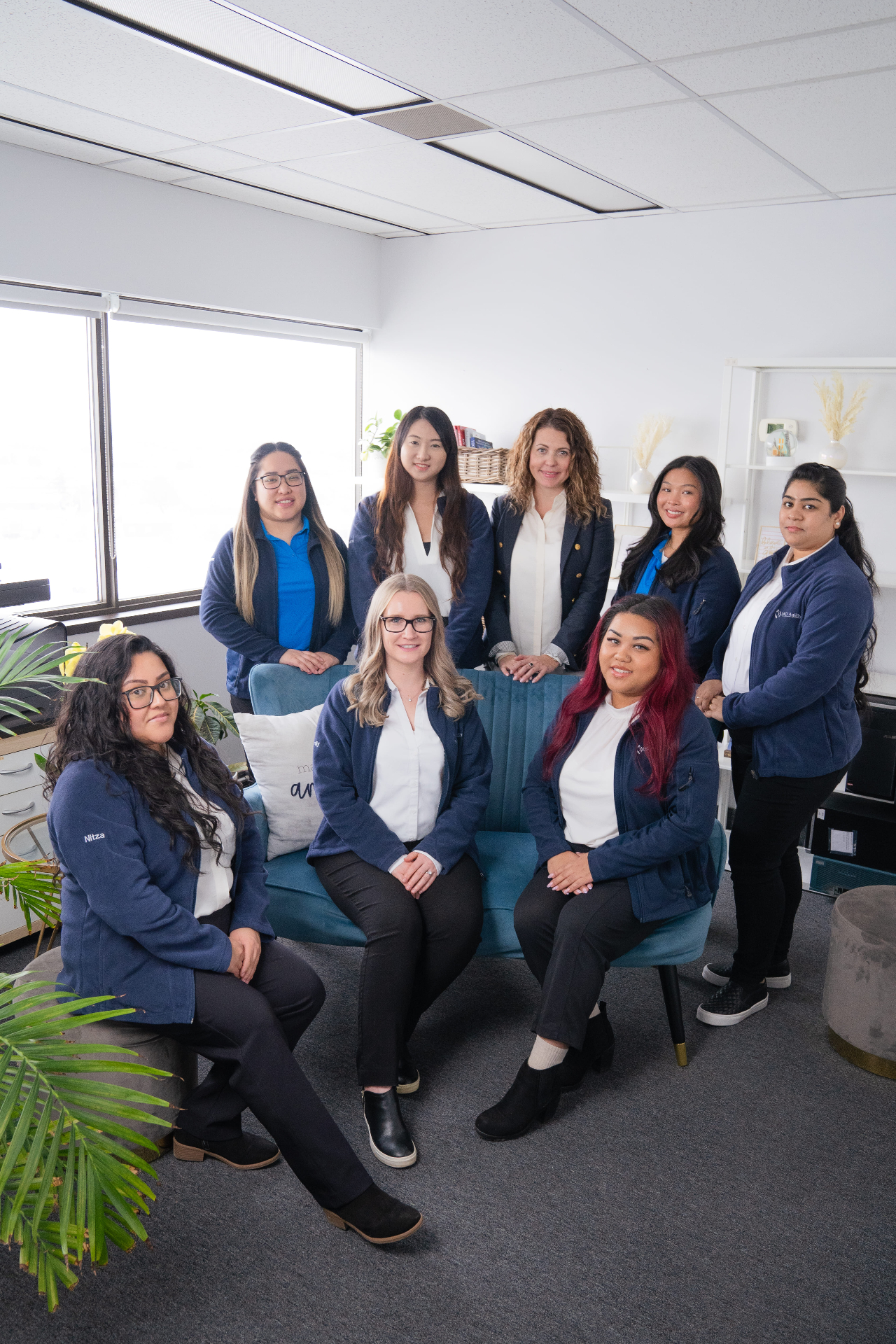
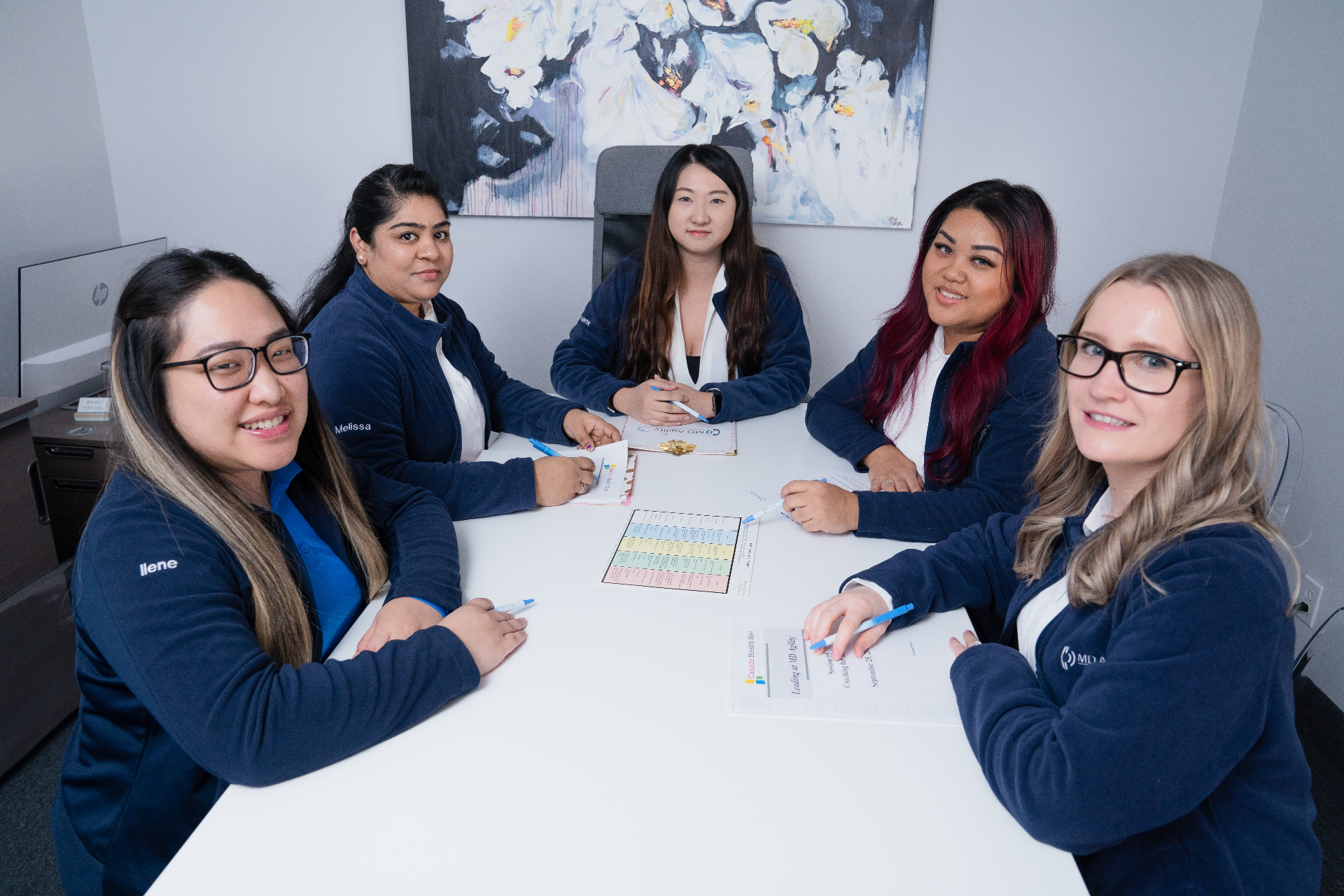
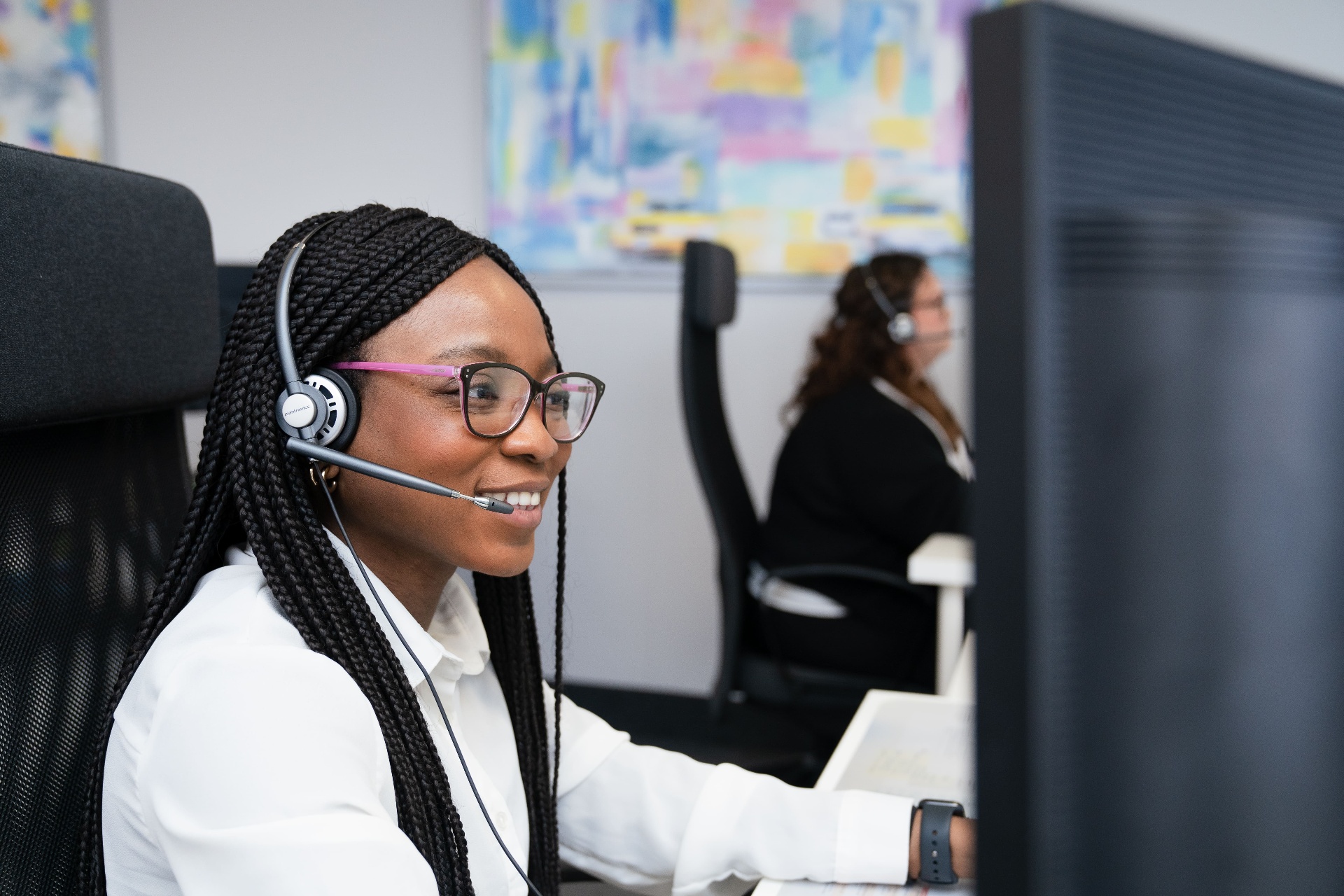
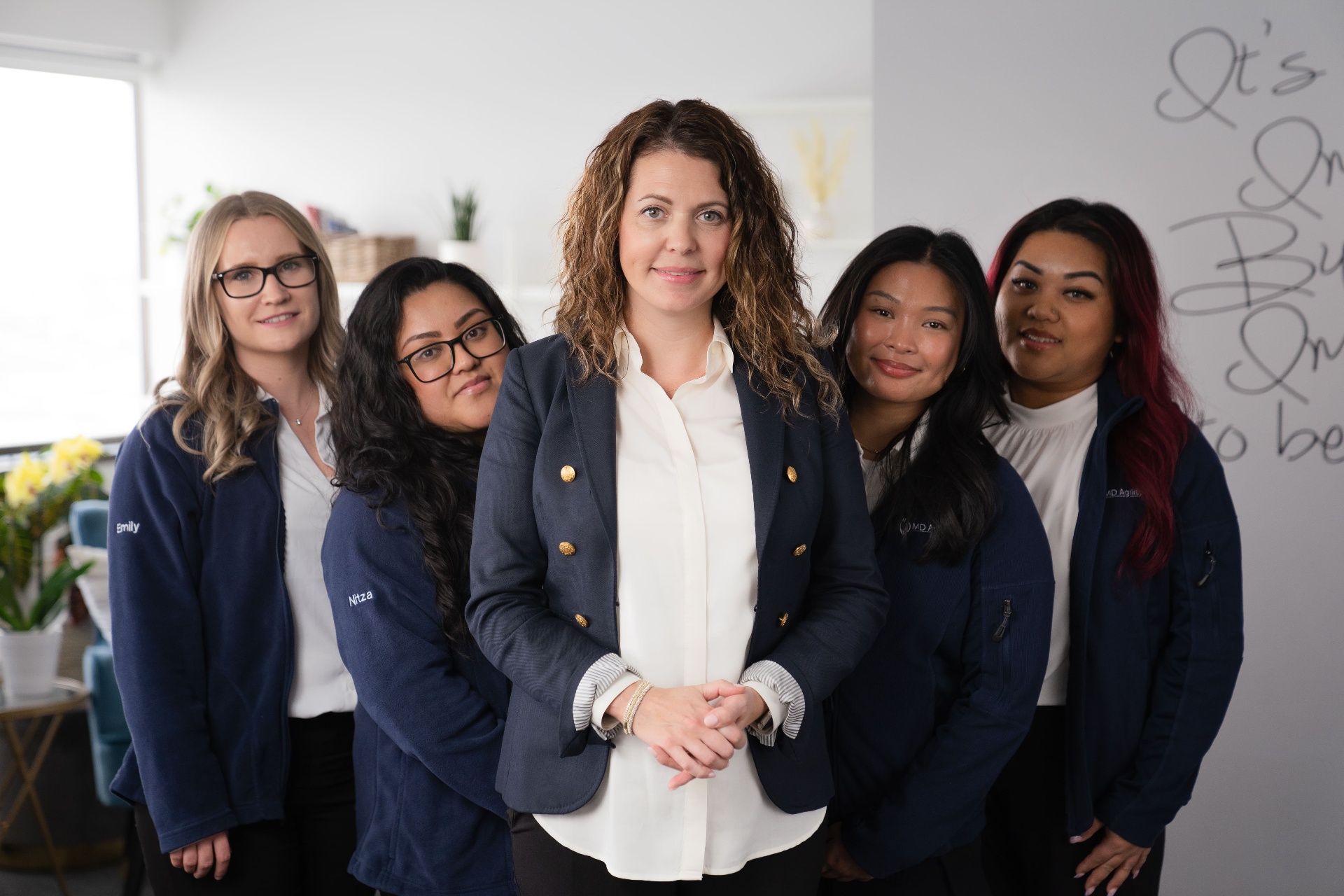
A true bilingual medical receptionist handles the entire call in the patient's language, from greeting to documentation, with the same medical training and EMR access as English coverage.
With MD Agility's bilingual Spanish medical receptionist service, that means:
- Native Spanish-speaking receptionists answering inbound calls live.
- Appointment scheduling directly into your EMR/EHR, following provider-specific rules.
- Triage against your protocols, with urgent situations escalated immediately.
- Intake and registration conducted in Spanish, with data loaded into the chart.
- Outbound reminder, recall, and no-show recovery calls in Spanish.
- Real-time documentation in English inside your EMR so providers and billers can read it.
- HIPAA training, quarterly recertification, and per-user logins identical to English coverage.
Every receptionist is based in the United States or Canada. Spanish coverage is included at the same rate as English coverage, so adding it is a scoping decision rather than a budget line.
The Business Case in Four Numbers
Practices that add real bilingual coverage tend to see movement in four metrics. Track them before and after.
| Metric | What Happens Without Bilingual Coverage | What Happens With It |
|---|---|---|
| Call abandonment | Spanish-speaking callers hang up during hold or transfer | Calls answered live in Spanish |
| Booking accuracy | Dates, times, and prep misunderstood | Confirmed in the patient's language and documented |
| No-show rate | Reminders not understood or ignored | Live reminder calls in Spanish with immediate reschedule |
| New patient growth | Word of mouth stalls | Community referrals grow as access improves |
Because outbound patient calls are part of the same service, the no-show and recall improvements extend to your existing Spanish-speaking panel, not just new callers.
What Changes for Patients, Providers, and Staff
The impact of true bilingual coverage shows up at three levels.
For patients
The first interaction with the practice is in their language, with someone who understands both the medical context and the cultural context. Instructions are clear. Questions get answered. Appointments are correct. Reminders land. Patients who previously avoided calling because of the language barrier start calling, and start referring family members.
For providers
Visits begin with complete intake, accurate reason-for-visit notes, and correct insurance. Documentation from the reception call is in English in the chart, so the provider reads a clean summary rather than reconstructing what the patient meant. Fewer visits are derailed by a misunderstanding that started on the phone.
For in-house staff
The bilingual staffer who used to be interrupted a dozen times a day gets their job back. The front desk no longer has to improvise with a family member on speakerphone. Difficult calls that used to take twenty minutes of effort on both sides take five.
A Practical Example
Consider a two-provider pediatric practice in a neighborhood where roughly a third of families speak Spanish at home. The practice has one bilingual medical assistant who is constantly pulled from rooming patients to take phone calls. No-show rates among Spanish-speaking families run noticeably higher than the rest of the panel, and the practice suspects it is losing new patients it never hears from.
The practice adds MD Agility overflow coverage with bilingual receptionists. Spanish-language calls are answered live and handled end to end. Reminder calls for Spanish-speaking families are made in Spanish, and no-show recovery calls are made the same day. The medical assistant stays in the clinical area. Within the first onboarding cycle, the practice can see the change in its weekly report: more calls answered, more appointments booked, and a no-show gap that is closing.
Compliance and Language Access
In the United States, practices receiving federal funds have obligations under Section 1557 of the Affordable Care Act and Title VI of the Civil Rights Act to provide meaningful access for patients with limited English proficiency. A bilingual medical receptionist is one of the most direct ways to meet that obligation at the front door.
Language access and privacy also intersect. A receptionist who handles the whole call in Spanish verifies identity properly, explains the privacy notice in a language the patient understands, and documents consent accurately. Interpretation by a family member on speakerphone does none of those things reliably.
MD Agility's bilingual receptionists operate under the same HIPAA and PIPEDA compliance program as all coverage: signed BAA, encrypted systems, per-user EMR access, and weekly audits.
How to Add Spanish Coverage Without Rebuilding Your Front Desk
Adding bilingual coverage does not require replacing anyone. The most common setups are:
- Overflow routing. Spanish-language calls, or all overflow calls, route to MD Agility while your in-house team keeps the desk.
- Dedicated line. A published Spanish-language number answered live by bilingual receptionists.
- Full inbound coverage. All calls answered by a mixed English and Spanish team, with bilingual receptionists taking Spanish calls end-to-end.
- Outbound only. Reminder, recall, and no-show campaigns for Spanish-speaking patients run against your EMR.
Go-live follows the standard 4 to 5 week onboarding: protocol customization, EMR credentialing, team training, and shadow coverage before launch.
Frequently Asked Questions
What does a bilingual Spanish medical receptionist do?
They handle patient calls, scheduling, intake, triage, and outbound reminders entirely in Spanish, then document in your EMR in English so the whole care team can use the record.
Does bilingual coverage cost more?
Not with MD Agility. Native Spanish-speaking, HIPAA-compliant receptionists are included at the same rate as English coverage.
Are bilingual receptionists trained in medical terminology?
Yes. MD Agility receptionists are experienced medical receptionists with formal HIPAA training and clinic-specific protocol training, in both languages.
Can I route only Spanish-language calls to MD Agility?
Yes. Coverage is fully configurable, including overflow-only, a dedicated Spanish line, or full inbound coverage.
Where are the receptionists located?
In the United States and Canada, working from MD Agility's offices in Aventura, Florida, and Toronto, Ontario.
Make Your Front Door Bilingual
Every Spanish-speaking patient who cannot get through, cannot understand the reminder, or cannot complete intake is a patient your practice loses without ever knowing it. A bilingual Spanish medical receptionist turns that leak into growth.
MD Agility has provided bilingual, in-country medical reception to practices across the U.S. and Canada since 2013. Book a 20-minute discovery call to add Spanish coverage to your front desk.